
By Andrew Boltz · July 10, 2026
Milan has the opposite problem from Venice and Florence. Nobody accuses it of being too romantic or too weighed down by its own mythology. Instead, travelers treat it as a place to pass through: land, photograph the Duomo, walk the Galleria, catch a train to Lake Como by dinner.
Heads up: some links on this page are affiliate links. If you book or buy through one, I may earn a small commission and you pay exactly the same price. More in the full affiliate disclosure.
That version of Milan exists. It’s just the surface. Under and around the cathedral are the remains of a fourth-century religious complex. A canal system was already centuries old when Leonardo arrived. One of the city’s best sculpture collections sits inside a cemetery with free admission. And a quiet 1930s villa hides a few blocks from the fashion district, garden, pool, and all. Milan is older and stranger than its skyline suggests, and here are eight things worth knowing before you go.
Quick Milan Reality Check
- Best for: fashion and design lovers, architecture fans, anyone who wants a real Italian city that isn’t performing “Italy” for tourists
- Time needed: one day for the headline sights, two full days for Milan to actually make sense, three if you want a slower pace or a day trip
- Best neighborhoods for wandering: Brera, Navigli, Quadrilatero del Silenzio
- Best add-on: the Duomo rooftop terraces at golden hour
- Biggest mistake: doing the Duomo and the Galleria in an afternoon and calling it Milan
If you only add one thing to the standard route, make it the Duomo rooftop and the baptistery underneath it. They sit less than fifty meters apart and take you from the 4th century to the 19th without changing zip codes.
On this page:
Here are 8 things Milan doesn’t put on its postcards, but should.
Allow: 15 minutes | Book: Required, book ahead | Location: Santa Maria delle Grazie, near Cadorna or Conciliazione
Leonardo’s The Last Supper, housed in the refectory of Santa Maria delle Grazie, is not a walk-up attraction. Reservations are mandatory, and the museum releases tickets in scheduled multi-month batches announced on its official site, not a fixed quarterly calendar. A smaller batch of individual tickets is currently released online every Wednesday at noon for the following week, and that one can disappear within minutes.
Most people find this out the hard way, a few days before their flight, when every slot for their entire trip is already gone. If Milan is anywhere on your itinerary and you want to see the actual painting rather than a print of it in a gift shop, this is the one booking you cannot leave for later.
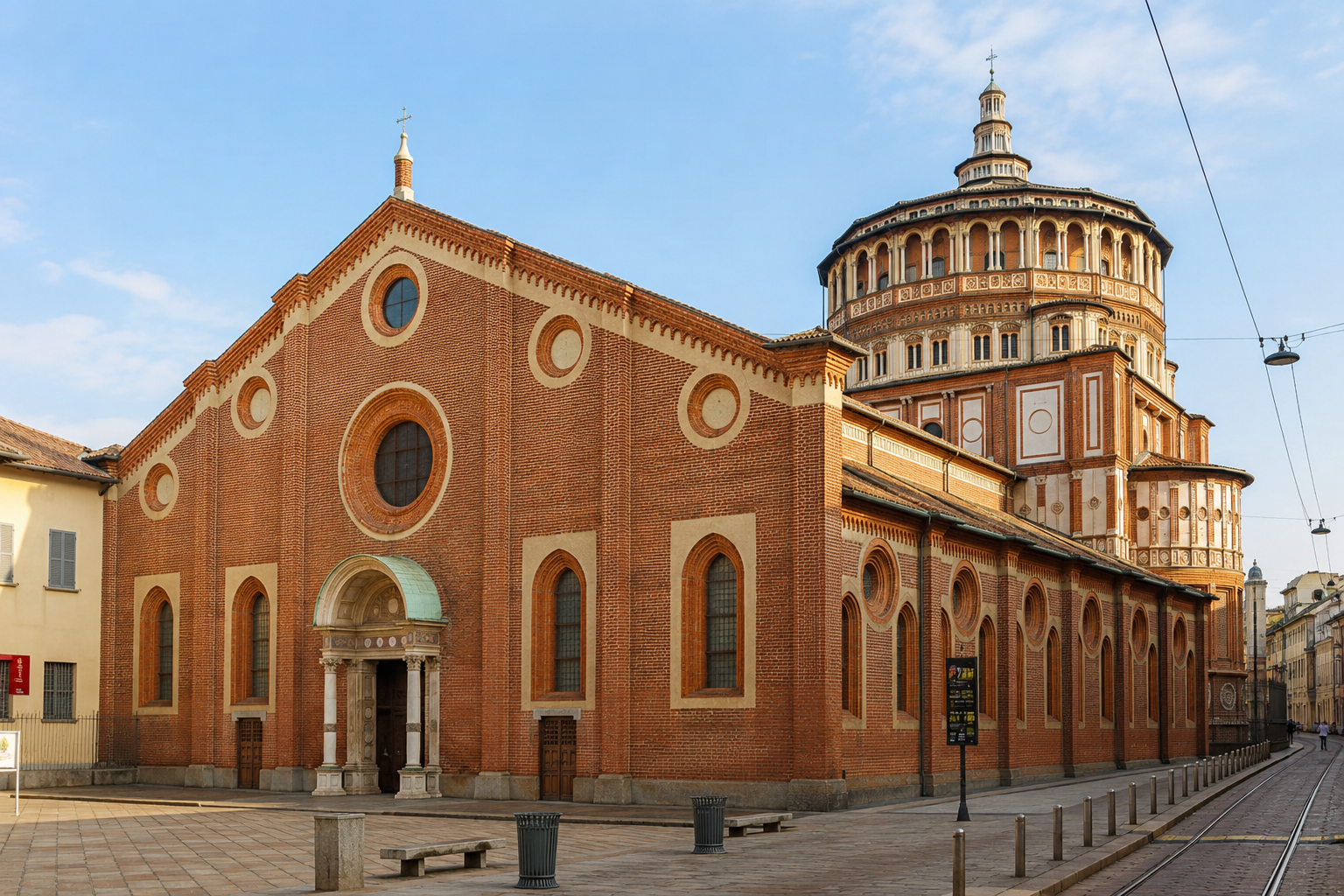
Travel tip: Check the official museum’s ticket-release announcements as soon as your dates are set. For spring, summer, or holiday travel, plan several months ahead. If regular tickets are gone, try the Wednesday noon release. Arrive 30 minutes early or the reservation is forfeited, no exceptions.
Allow: 45–60 minutes | Book: Advance ticket recommended | Location: Duomo complex Try the official site first. If it is sold out, the resellers may still have tickets, and you will pay a premium for them. That premium is how they earn. If you would rather have the ticket than the saving, this is where to look.
Most cathedrals keep their roofline strictly off limits. The Duomo di Milano does not. Two walkways run along the northern and southern edges of the roof, about 45 meters above the piazza, weaving between 135 spires and roughly 3,400 statues carved directly into the marble. Very few Gothic cathedrals anywhere let visitors actually walk the rooftop rather than just look up at it from the square.
You can reach the top by climbing 256 steps or by taking an elevator, and either ticket option includes close-up views of the Madonnina, the gilded statue of the Virgin Mary that has crowned the highest spire since 1774. On a clear day the Alps are visible on the horizon, which is not something most people expect from a cathedral in the middle of a fashion capital.
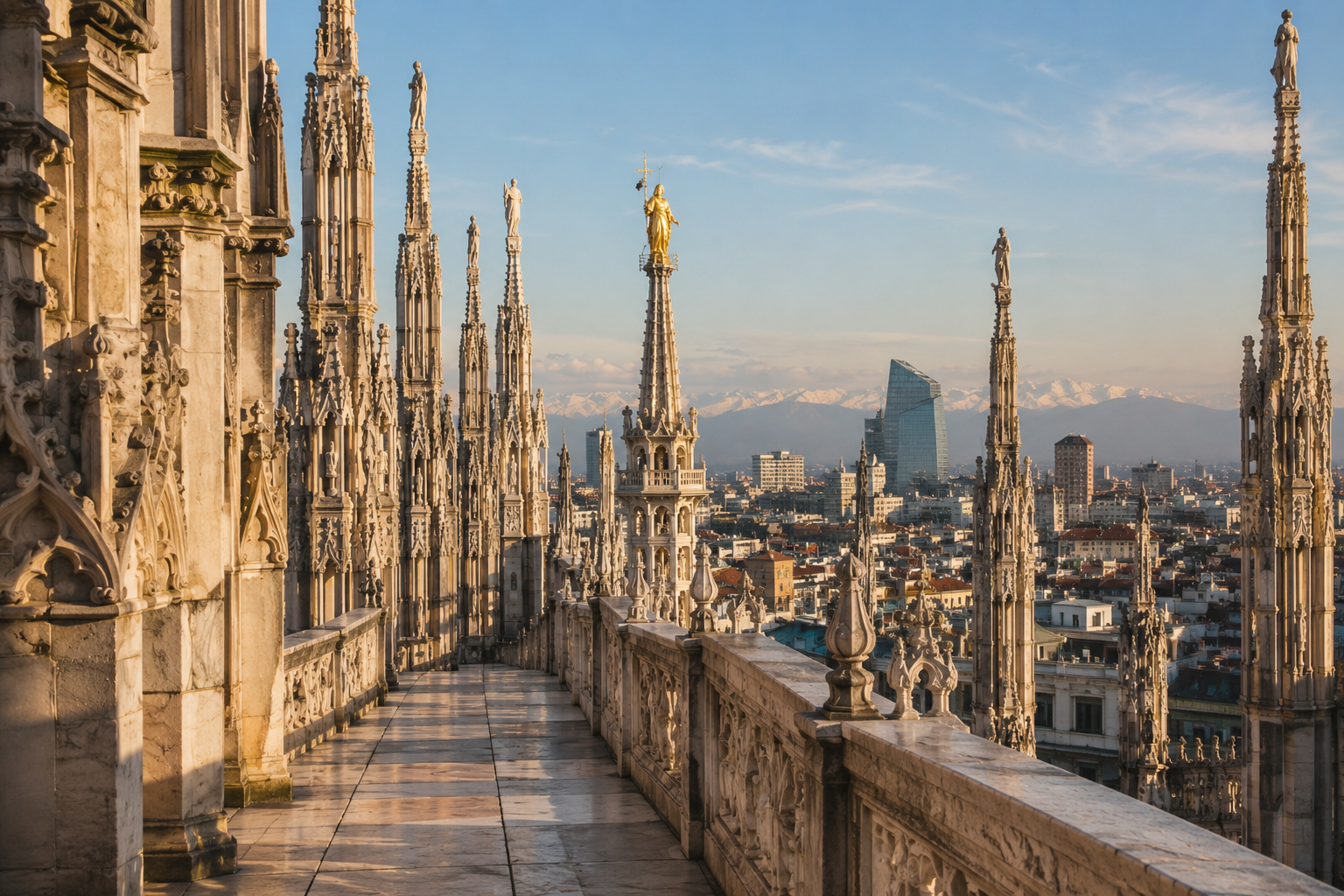
Travel tip: Choose the elevator ticket if your schedule is tight or you’re visiting with limited mobility. Go late afternoon for the best light on the marble and a real shot at seeing the Alps.
Allow: 15–20 minutes | Book: Separate add-on ticket | Location: Duomo complex
Before the Duomo existed, this same square held two early Christian basilicas and a baptistery called San Giovanni alle Fonti, built around 378 AD when Milan was a capital of the Western Roman Empire. In 387, Bishop Ambrose, who would later become Milan’s patron saint, used that same octagonal font to baptize Augustine, who would go on to become one of Christianity’s most influential theologians.
The basilicas were demolished to make room for the Duomo in the 14th century, but the baptistery survived underground and wasn’t rediscovered until the 1960s, during construction of Milan’s metro system. Today it sits in an archaeological area beneath the cathedral square, about four meters below street level, and most visitors walk straight over it without knowing it’s there.
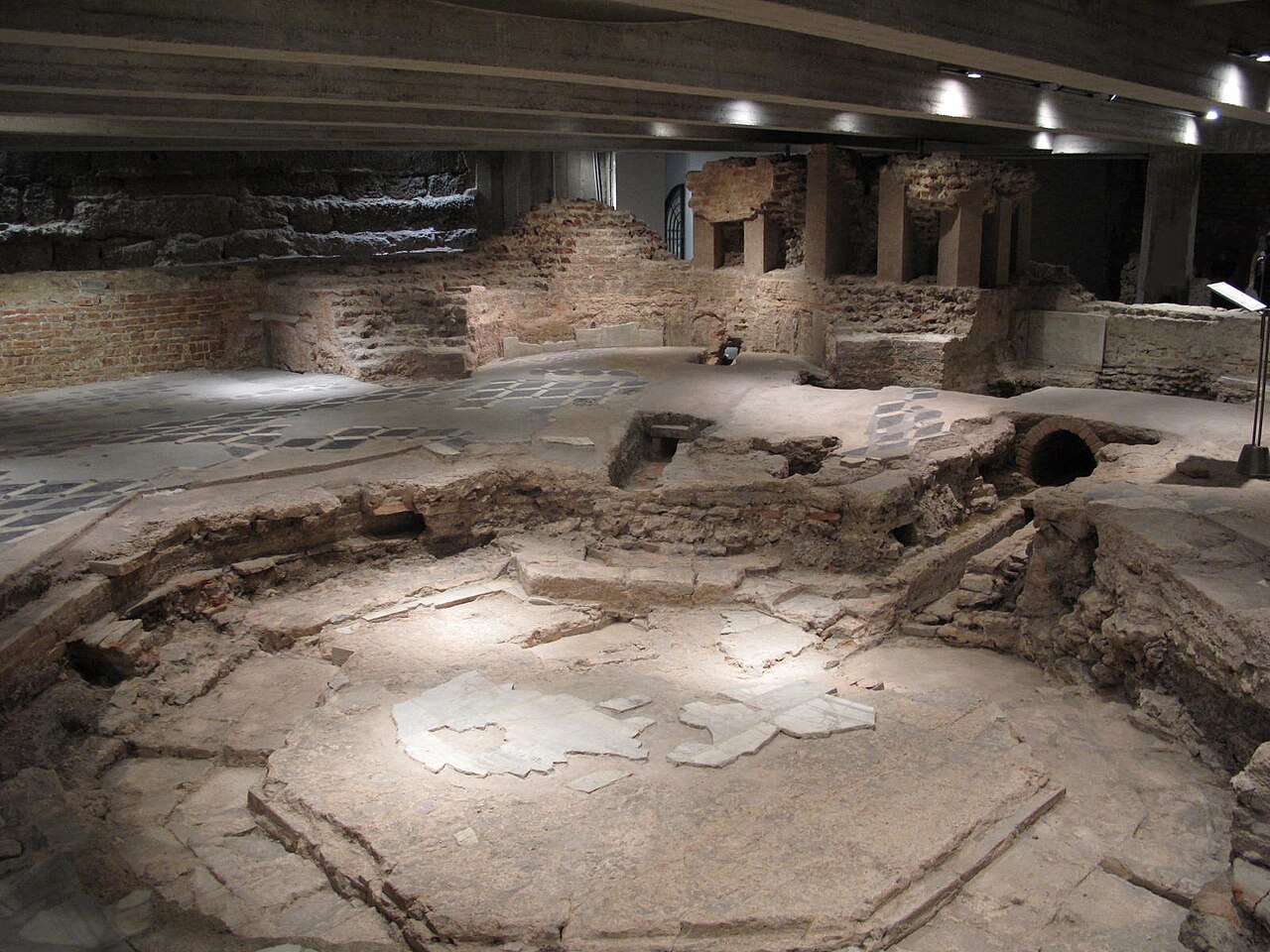
Travel tip: The archaeological area is a separate, inexpensive add-on ticket to the Duomo complex. Fifteen minutes is enough, but it reframes everything you see above ground for the rest of the day.
The full Milan plan
Milan rewards knowing where to be and when, which is exactly what a list of curiosities does not give you. The Milan 3-Day Itinerary turns all of this into a route that does not double back on itself.
Instant download.
Allow: Open-ended | Book: No | Location: Navigli / Porta Genova
Ask around and someone will tell you Leonardo da Vinci built Milan’s canals. He didn’t. The Naviglio Grande dates to 1179, roughly three hundred years before Leonardo arrived in the city in 1482 to work for Ludovico Sforza. During his years in Milan, Leonardo studied the canal network and proposed improvements to its lock systems. His exact place in the engineering lineage is debated, but he helped refine the system rather than creating it from scratch.
At its largest, the Navigli network stretched more than 150 kilometers, moving marble for the Duomo and connecting Milan to the Ticino and Adda rivers. Most of it was paved over in the 20th century as trams and cars took over. The Naviglio Grande, Naviglio Pavese, and Naviglio della Martesana remain the most visible surviving parts of that system, and the district built up around them is now one of the best spots in the city for an evening walk.
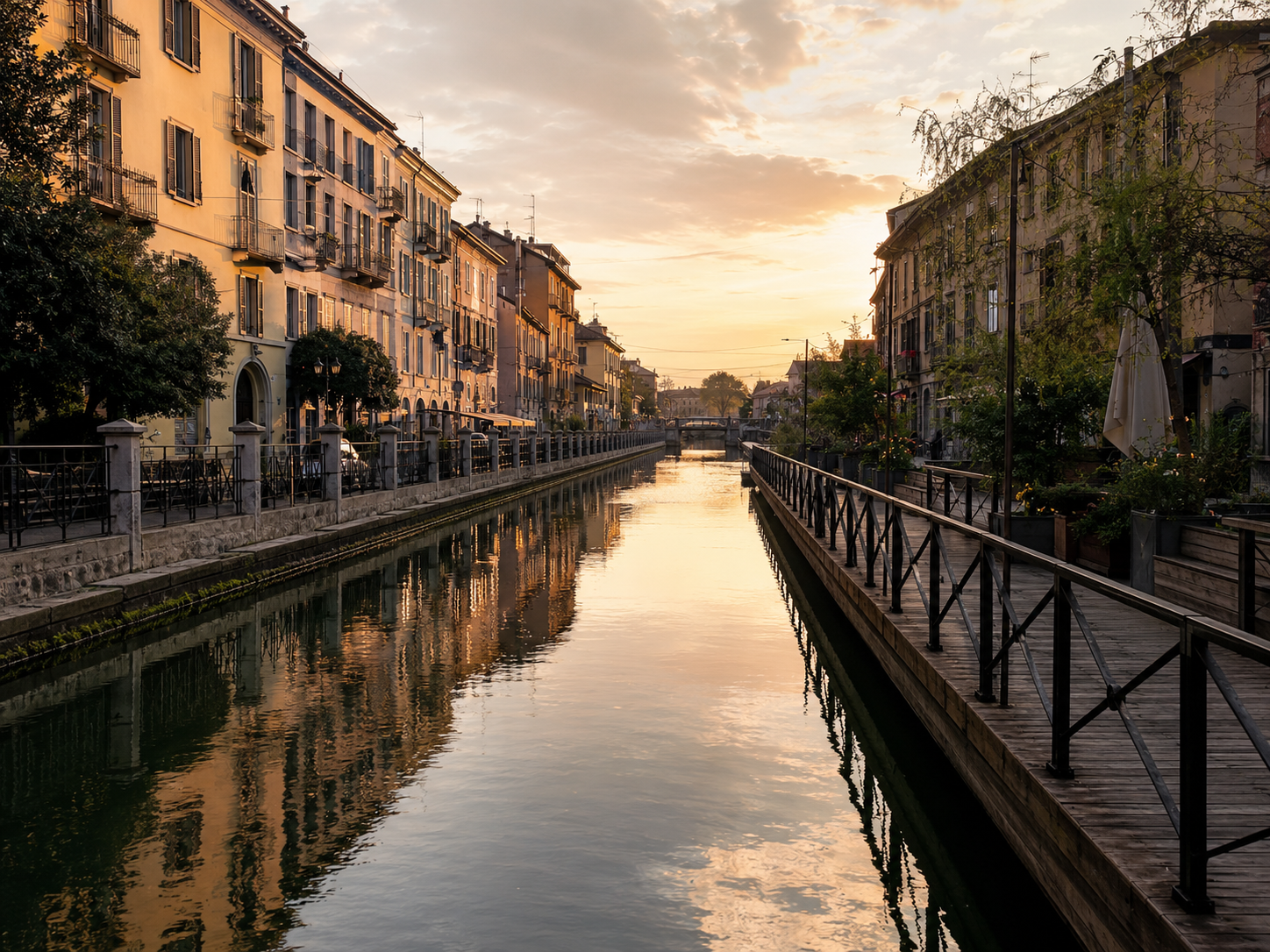
Travel tip: Go around sunset. The canalside bars fill up fast, but the walking path itself stays free and uncrowded even when the restaurants don’t.
If you’re staying longer than a rushed layover, my Milan 3-Day Itinerary turns spots like these into a practical three-day route, with timed sights grouped by neighborhood instead of a list you have to piece together yourself.
Allow: 30–45 minutes | Book: No | Location: Piazzale Cimitero Monumentale
The Cimitero Monumentale opened in 1866 to consolidate several smaller, unsanitary cemeteries scattered around the city, and it ended up becoming something closer to an open-air sculpture museum. The grounds cover more than 250,000 square meters and include a small-scale version of Trajan’s Column, full-size Greek temple facades, and mausoleums built by some of Milan’s wealthiest industrial families.
A Hall of Fame near the entrance holds the tombs of Italy’s best-known writers, architects, and musicians, including novelist Alessandro Manzoni. One of the most photographed tombs belongs to the Campari family, and it features a sculptural recreation of, fittingly, The Last Supper.
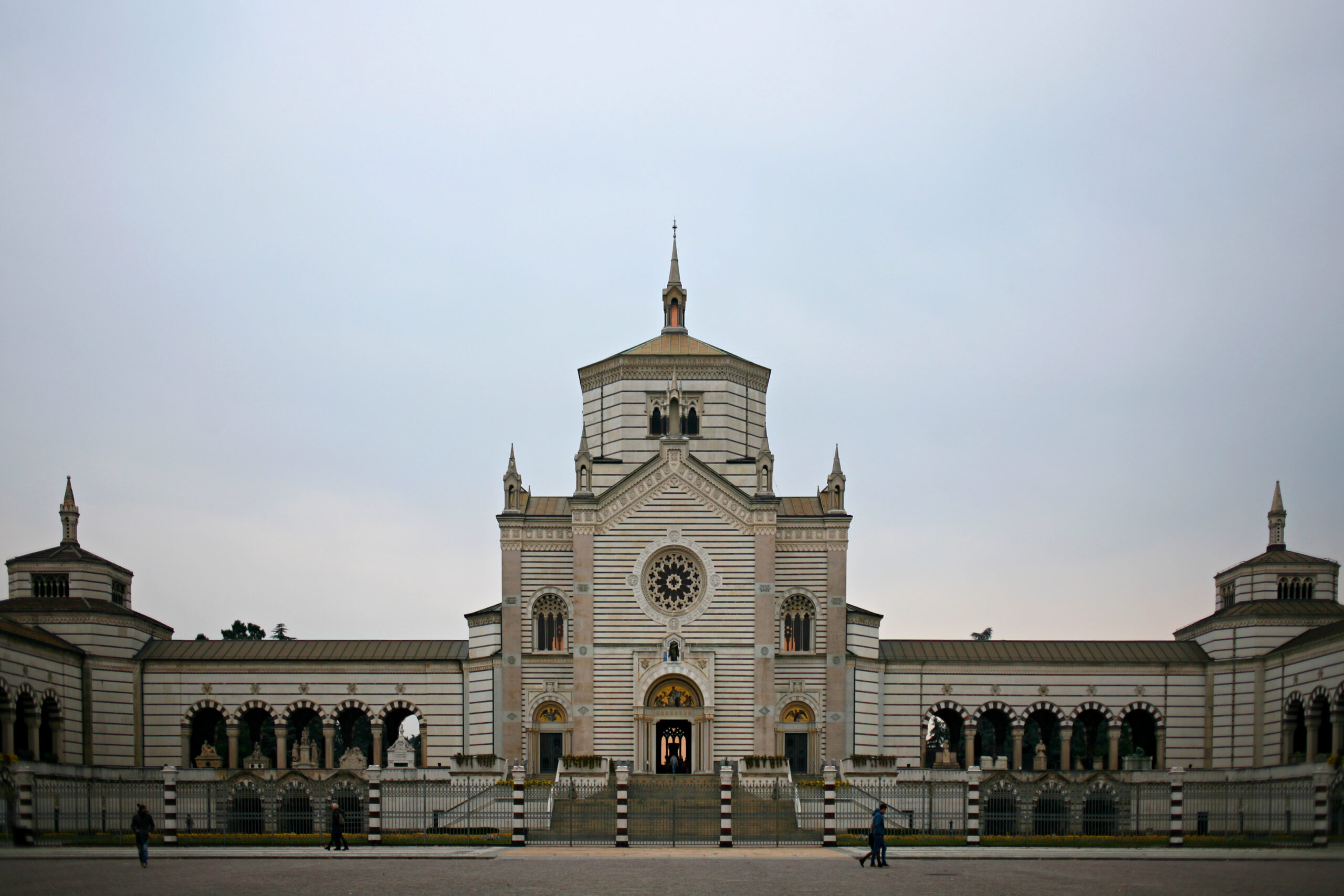
Travel tip: Entry is free. Pick up the free map near the entrance so you don’t miss the Campari tomb, it’s easy to walk past without knowing what you’re looking at.
Allow: Roughly 6–9pm | Book: No | Location: Galleria, Brera, or Navigli
Campari the drink was invented in Novara, not Milan, in 1860. But Gaspare Campari moved to Milan two years later and opened a café next to the cathedral. His son Davide later opened a second, grander bar inside the Galleria Vittorio Emanuele II in 1915: Camparino, brass fittings, mosaic floors, and all. That bar became the hub of Milan’s aperitivo culture, a bitter drink paired with snacks before dinner, a ritual most of Italy still follows in some form today.
Camparino still operates in the Galleria, with its historic brass details and mosaic decoration intact. You don’t have to drink Campari specifically to take part in aperitivo. What you get with your drink varies a lot by bar, anything from olives and chips to a full apericena-style spread, so it’s worth checking what’s actually included before you order.
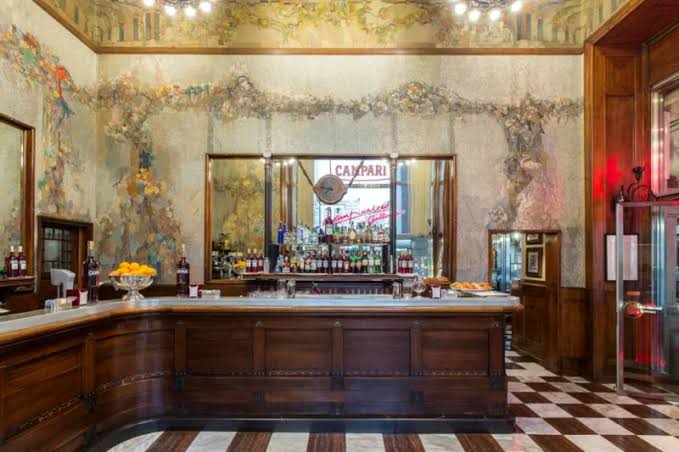
Travel tip: Skip the aperitivo spots directly on Piazza del Duomo, they’re priced for people who aren’t coming back. Walk farther into Brera or save aperitivo for the Navigli, where you’ll have more choice and a better shot at real value.
Allow: 45–60 minutes | Book: Ticketed | Location: Quadrilatero del Silenzio
Villa Necchi Campiglio sits in the Quadrilatero del Silenzio, the “quadrilateral of silence,” a small residential pocket a few minutes from the Duomo where the traffic noise genuinely fades out. Built between 1932 and 1935 for the wealthy Necchi and Campiglio families by architect Piero Portaluppi, the property has a private garden, a tennis court, and a swimming pool that was only the second one ever built in the entire city, and the first on private land.
The sisters who owned it left the villa to a heritage foundation when they died, and it opened to the public as a museum in 2008, interiors, garden, and pool intact. It is one of the few places in central Milan where the surrounding city feels genuinely distant.
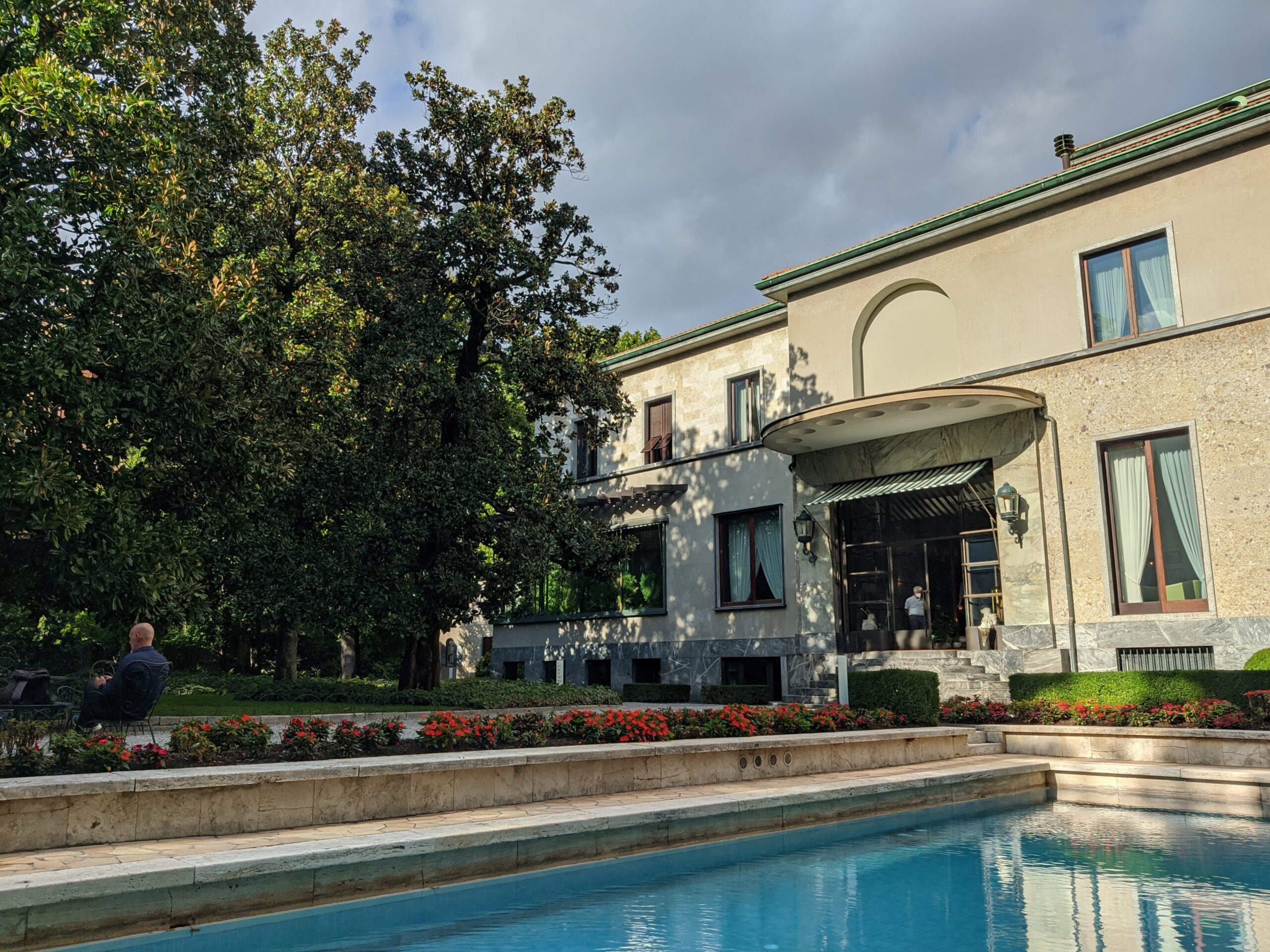
Travel tip: Go in the late morning on a weekday when it’s quietest. The garden alone is worth the ticket price even if you rush the interior.
Allow: 20–30 minutes | Book: No | Location: Short walk or metro from the center
The original Basilica di Sant’Ambrogio was commissioned by Bishop Ambrose, Milan’s patron saint, between 379 and 386 AD, when the city was an important center of the Western Roman Empire. The church was later rebuilt and expanded, particularly during the Romanesque period, but its origins predate the start of Duomo construction in 1386 by roughly a thousand years.
Sant’Ambrogio is generally regarded as one of Milan’s most important churches, yet it draws a fraction of the Duomo’s visitors. Its broad atrium, restrained Romanesque exterior, and direct connection to the city’s patron saint make it one of the better historical counterpoints to the cathedral, a few minutes away and usually far quieter.
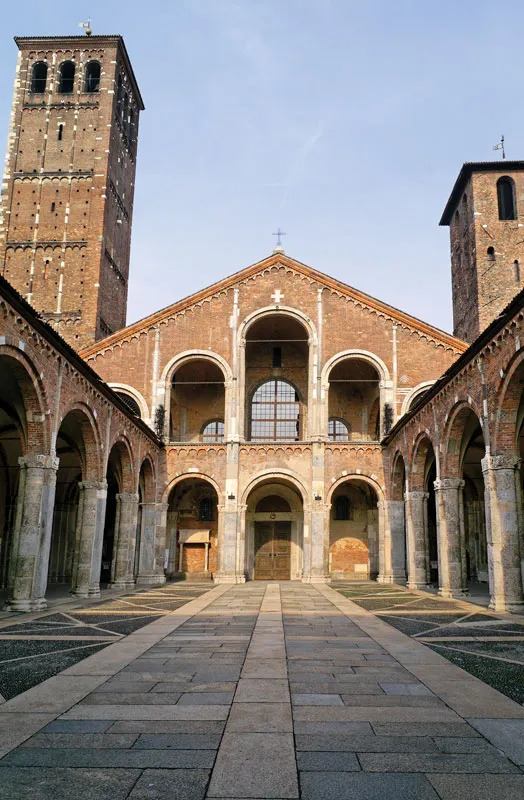
Travel tip: Pair it with a wander through the nearby university district for a quieter afternoon beyond Milan’s busiest sightseeing route.
The hard part of a Milan trip usually isn’t finding things to do, it’s arranging timed-entry sights and spread-out neighborhoods without crossing the city three times in one day. Rough pairings that actually work:
Only relevant if you’re driving. Both zones are active weekdays, 7:30am to 7:30pm.
Most visitors don’t need a car in central Milan. If you’re renting one anyway, learn the difference between Area C and Area B before you drive in.
Area C is a camera-enforced congestion zone covering Milan’s historic center, the Cerchia dei Bastioni. It’s active Monday through Friday, 7:30 am to 7:30 pm, excluding public holidays. Many vehicles require a paid entry ticket, while electric vehicles and some low-emission hybrids are exempt. Entering without complying can lead to a significant fine, and depending on the violation, the final cost can run well into the hundreds of euros, especially once a rental company adds its own administration fee.
Area B is a much larger low-emission zone covering roughly 72 percent of the city. It doesn’t charge an entry fee, but it restricts older, more polluting vehicles by emissions category, on the same weekday schedule as Area C.
The mistake visitors make with both zones is assuming they’ll hit a tollbooth or a warning barrier. They won’t. Cameras record the license plate, and a violation can reach you, or your rental company, months later, usually with an added administrative fee on top of the fine.
Rules, vehicle categories, and prices change. Check your specific rental vehicle against the official Milan Area C and Area B pages before driving anywhere near the center. Don’t rely on a number from any blog, including this one.
Milan rewards the traveler who stops treating it as a layover and starts treating it as a city with a few thousand years of actual history sitting quietly under the fashion and the traffic. The real Milan is in a tightly controlled refectory where you get fifteen minutes with a masterpiece, a garden where the city noise genuinely stops, and a basilica older than the cathedral next to it that most visitors never walk into. If you’re pairing it with a Venice trip, the two cities make an easy, logical combination, and my Things Nobody Tells You About Venice guide covers the other half of that pairing in the same amount of detail. Milan Centrale to Venice is about two and a half hours by fast train, which is less time than most people spend getting to an airport and back.
Now for the part where I sell you something, and I won’t pretend otherwise.
See Milan Without Spending Half the Trip Fixing the Schedule
Milan is easy to underestimate and surprisingly easy to plan badly. The Last Supper needs a timed reservation, the Duomo complex has multiple ticket tiers, and several of the city’s best spots sit outside the obvious cathedral-to-Galleria route.
The Milan 3-Day Itinerary Guide organizes major sights, quieter neighborhoods, meals, and optional day trips into three practical daily routes, so you’re deciding what to enjoy instead of scrambling to figure out logistics.
Includes: the full daily routes, Duomo and Last Supper booking guidance, walking and metro directions, neighborhood-based restaurant suggestions, where to stay, budget notes, and day-trip ideas.
Get the Milan 3-Day Itinerary Guide →
Visiting Venice on the same trip? The Venice + Milan bundle covers both cities for less than buying them separately.
Not ready to commit to a full guide yet? Select “Venice + Milan: Best Day Trips” from the free-guide menu below and I’ll send it your way, completely free. Consider it a free sample before you trust me with your $9.
Is Milan worth visiting, or is it really just a layover city?
It’s worth a real stop. The reputation as a business-and-fashion layover comes from people who only see the area around the Duomo and the Galleria. A day or two spent in Brera, the Navigli, and the Quadrilatero del Silenzio shows a different, older city underneath.
What’s the best hidden gem in Milan?
Villa Necchi Campiglio and the archaeological area under the Duomo are the two best low-effort additions to a first Milan trip, both quick visits with a real payoff.
Can you see the Last Supper without booking months ahead?
It’s difficult but not always impossible. Regular tickets are released in scheduled multi-month batches that can sell out fast, plus a smaller weekly release every Wednesday at noon for the following week. If you didn’t plan ahead, check that Wednesday release or a licensed tour operator for last-minute availability, but don’t count on it.
How many days do you need in Milan?
One full day is enough for the Duomo, Galleria, and one or two additional sights. Two days gives Milan room to make sense, with time for Brera, the Navigli, Sant’Ambrogio, or Cimitero Monumentale. A third day works well for a slower pace or a nearby day trip.
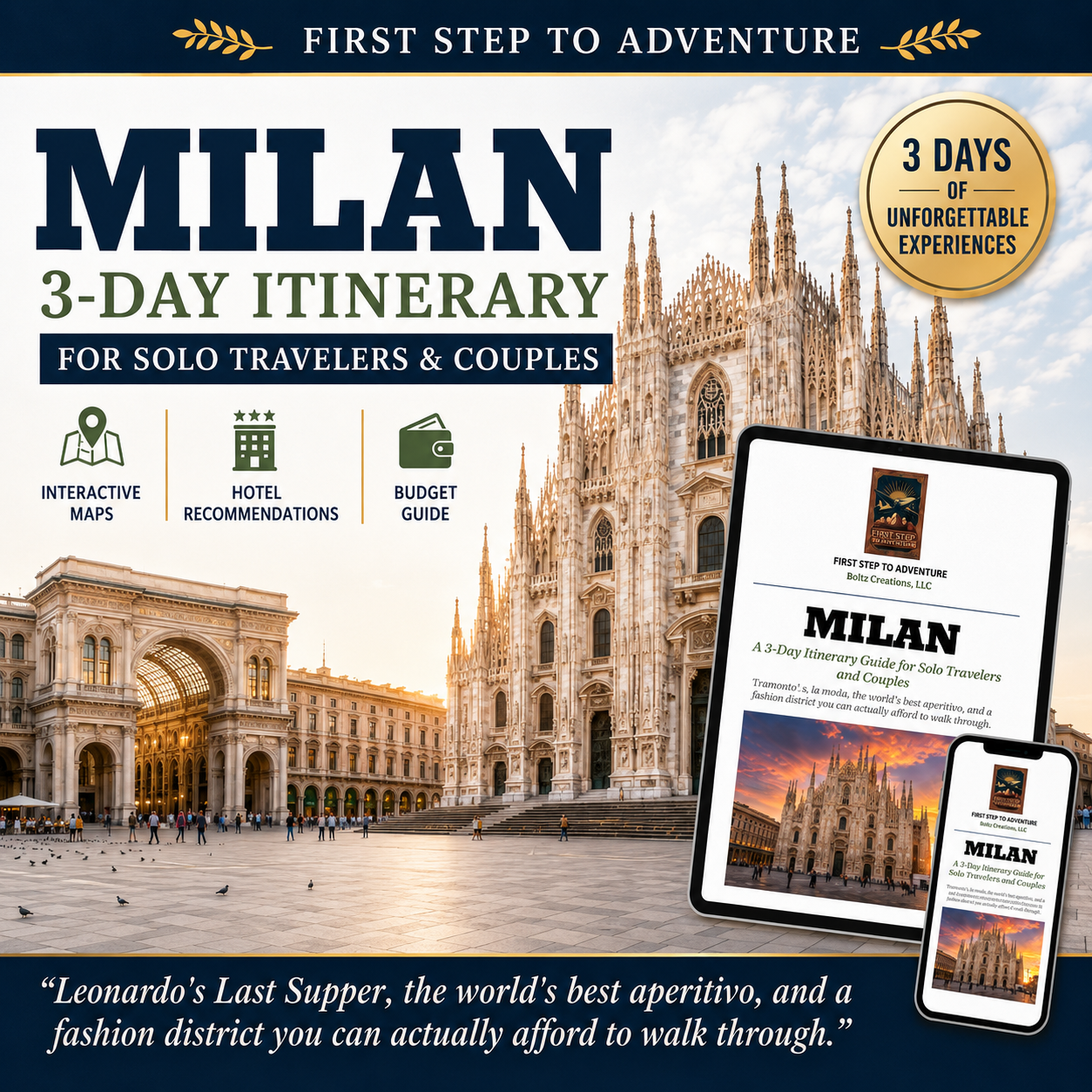
Get the Milan 3-Day Itinerary: Instant PDF download, $9. Grab it here →
Every 3-day guide:
Rome · Florence · Naples · Venice · Athens · Istanbul
Traveling two cities? The Rome + Naples, Venice + Milan, and Athens + Istanbul bundles are there too.
Join the Adventure
No spam. Unsubscribe any time. One email at a time.