
By Andrew Boltz · July 3, 2026
Most visitors give Naples a single day. They see the waterfront, eat a pizza that quietly ruins every pizza that comes after it, and catch the ferry to Capri or the train to Pompeii. Naples lets them go without complaint, because the city keeps its best material for the people who stick around and look a little closer.
Underneath the laundry lines and the scooter traffic sits one of the strangest, deepest, most theatrical cities in Europe. Here are five Naples hidden gems most travelers walk right past.
Heads up: some links on this page are affiliate links. If you book or buy through one, I may earn a small commission and you pay exactly the same price. More in the full affiliate disclosure.
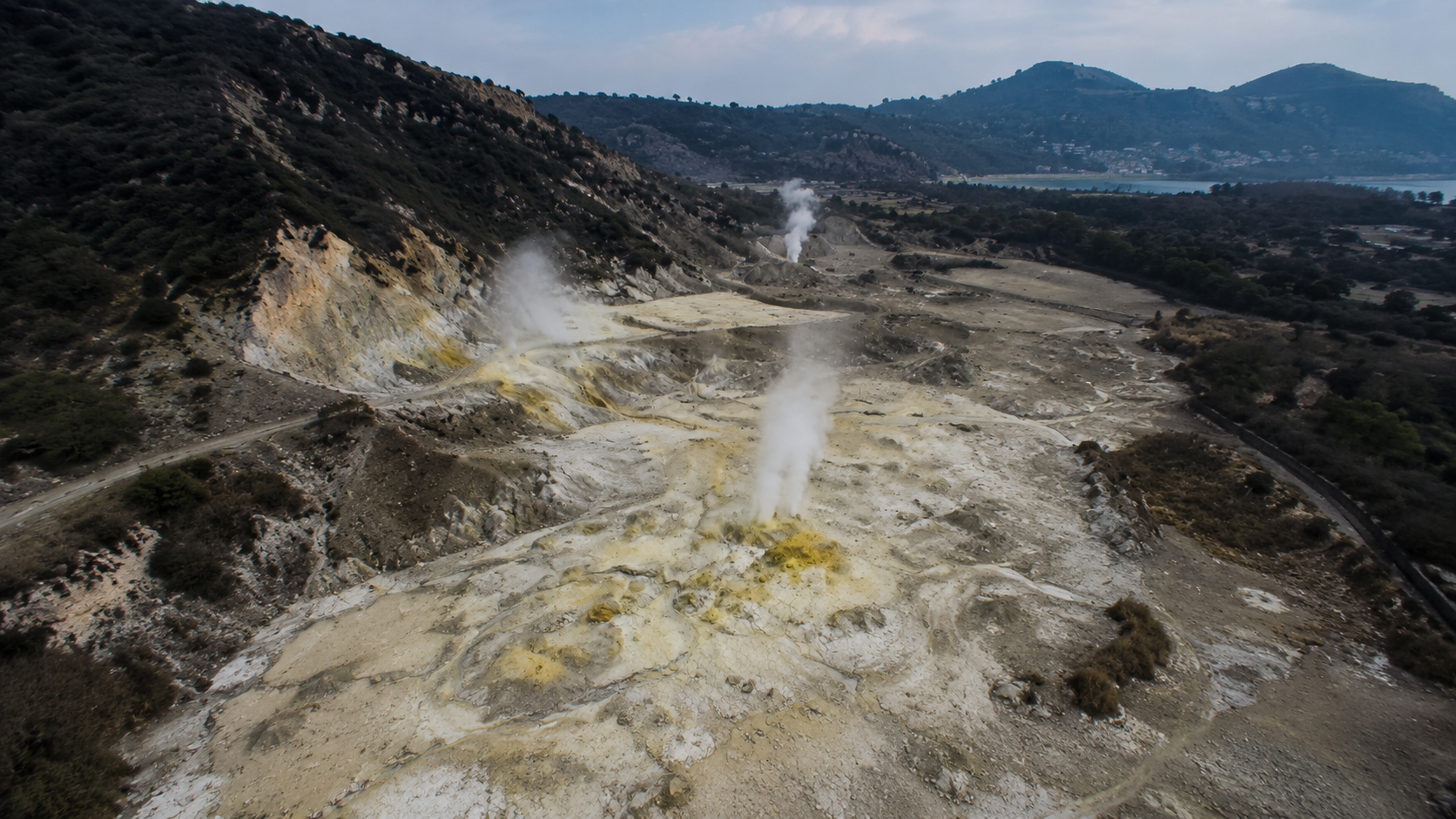
Everyone knows Vesuvius looms over Naples. Far fewer people realize that just west of the city sits something much larger: the Campi Flegrei, or Phlegraean Fields, a vast volcanic caldera that has been slowly breathing for decades.
The ground here literally rises and falls, a phenomenon called bradyseism. The town of Pozzuoli has risen by roughly a meter and a half since the current unrest began in 2005, and the area logs thousands of small earthquakes, with several in 2024 and 2025 strong enough to crack walls and rattle the people who live there. More than half a million residents call this caldera home, and scientists monitor it around the clock.
For a visitor, seeing the Solfatara steam from the outside, walking the Campi Flegrei viewpoints, or standing near the caldera’s edge is a reminder that Naples is not simply built beside a volcano. It is built inside one. Treat it with the same respect that the locals do, and it becomes the most humbling stop on the whole trip. Pozzuoli is a short hop west of the city, and a guided half day is the easiest way to see the caldera properly without standing around guessing which patch of steaming ground is the interesting one.
Tucked into a small chapel in the historic center is a sculpture that stops people mid-sentence. The Veiled Christ, carved by Giuseppe Sanmartino in 1753, shows the body of Christ draped in a marble shroud so thin that first-time viewers spend a full minute quietly convinced it must be real fabric laid over the stone. It is not. It is a single block of marble, and how one man coaxed a see-through veil out of it remains one of sculpture’s great astonishments.
The Sansevero Chapel is tiny and hugely popular, so it runs on timed entry, with timed tickets booked online in advance. Photography is banned inside, which is exactly why it is worth the trip. This is a thing to see with both eyes, not through a phone screen.
Try the official site first. If it is sold out, the resellers may still have tickets, and you will pay a premium for them. That premium is how they earn. If you would rather have the ticket than the saving, this is where to look.

The full Naples plan
Naples is the one Italian city where a vague plan genuinely costs you. The Naples 3-Day Itinerary sets the order, the timings, and the Pompeii day that most people get wrong.
Get the Naples 3-Day Itinerary
Instant download.
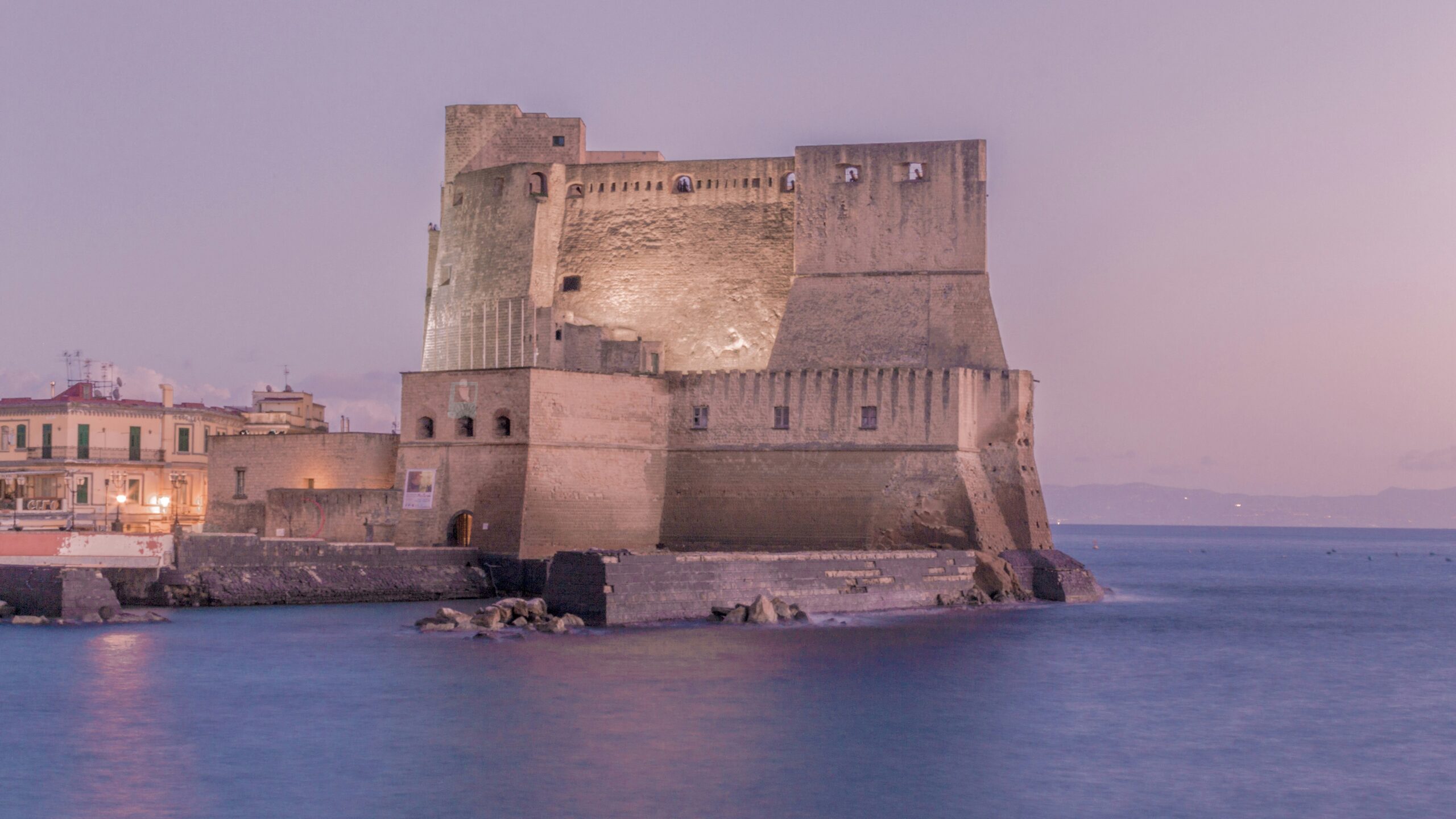
Out on the waterfront sits Castel dell’Ovo, the oldest fortification in Naples and the owner of the best origin story in the city. Its name means “Egg Castle,” and local legend credits the Roman poet Virgil, whom medieval Naples remembered less as a writer and more as a powerful sorcerer.
The story goes that Virgil hid a magic egg in the castle’s foundations, sealed in a glass jar inside an iron cage. As long as the egg stays whole, Naples stands. If it ever breaks, the castle falls and disaster follows close behind. Historians will gently point out that the fortress probably earned its name from its oval shape, but that is a far worse story, and Naples knows it. One catch for 2026. The city lists the castle as closed until further notice for renovation, so for now this is an outside visit, from Via Partenope and the little Borgo Marinari harbor beside it. Check the Comune di Napoli’s page for the castle before you plan on going in. When it reopens, entry has historically been free, and the view over the bay from the top is one of the best in the city.
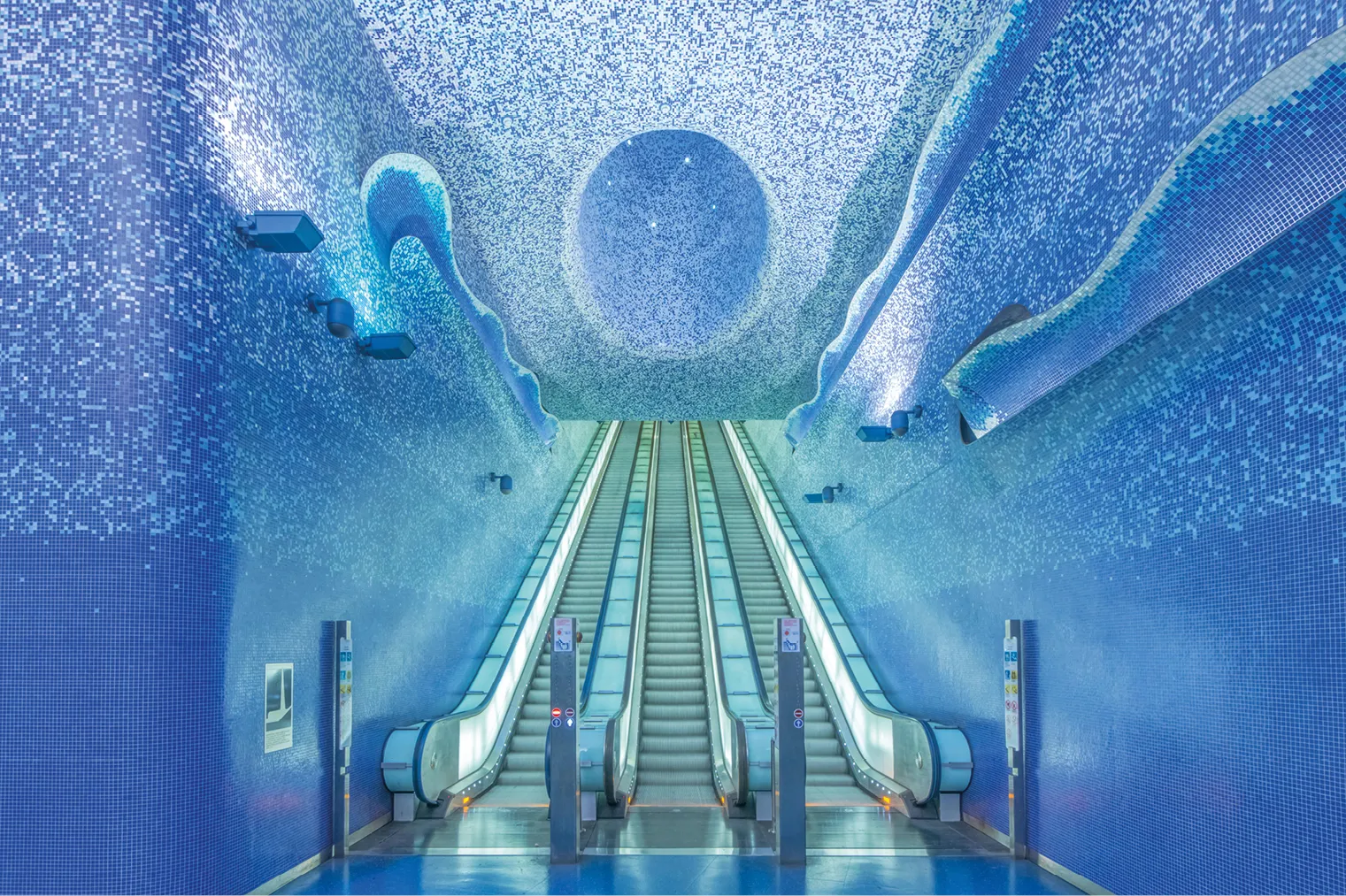
Naples turned parts of its Metro into an art gallery, and the crown jewel is Toledo station. Designed by architect Óscar Tusquets Blanca and opened in 2012, it is regularly cited by travel media as one of Europe’s most beautiful metro stations, and it earns the billing.
The theme is water and light. Heading down toward the platforms, the walls dissolve into deep blue mosaic, and a soaring cone of shimmering tile called the Crater de Luz, the Crater of Light, drops through the levels like sunlight punching into the sea floor. A huge mosaic by artist William Kentridge depicts a procession led by San Gennaro, the city’s patron saint. The entire experience costs the price of a metro ticket, which makes it the best-value art in Naples by a wide margin.
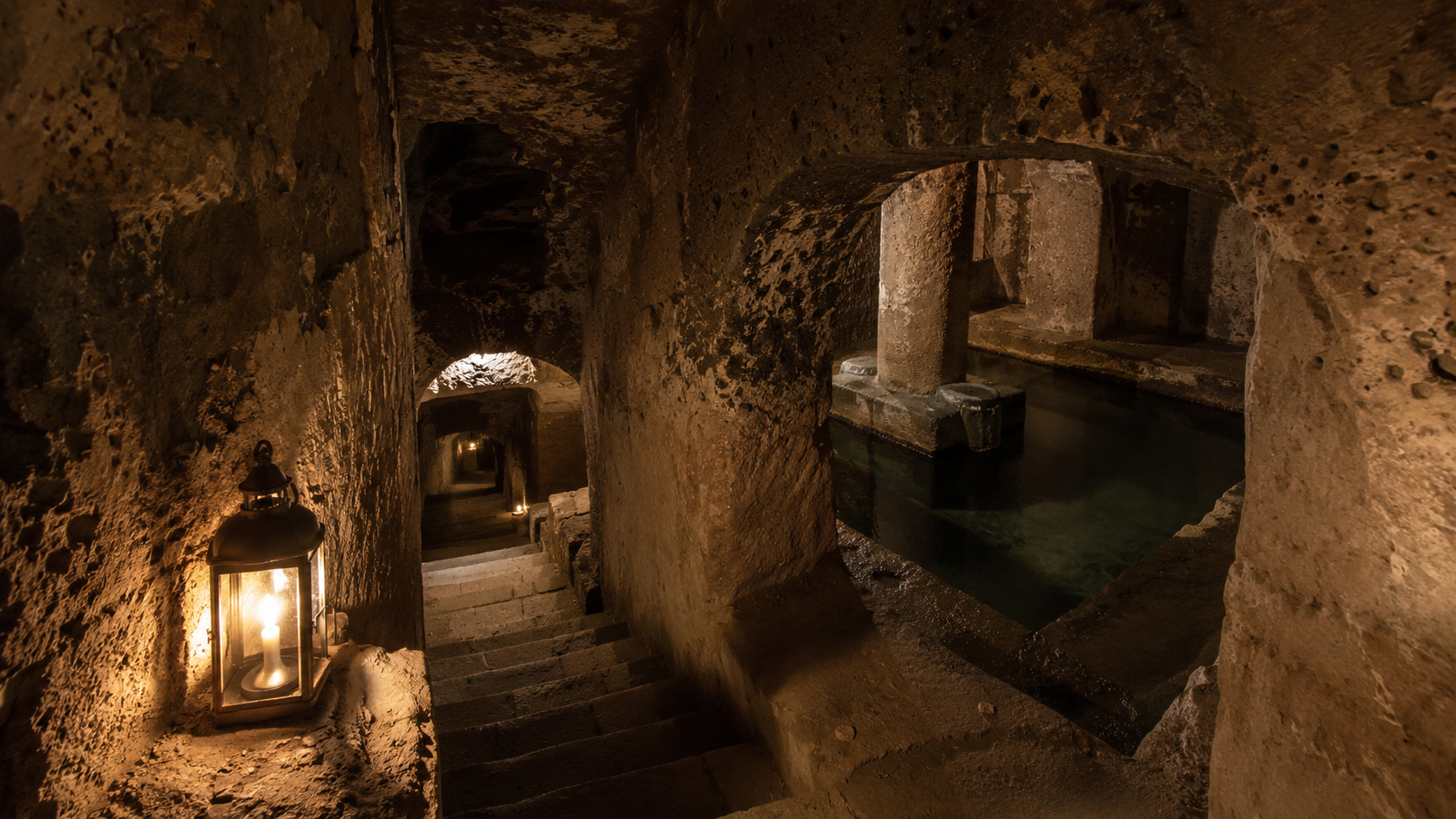
Forty meters under the noise of the historic center lies Naples Underground, or Napoli Sotterranea, a second Naples hollowed out over more than two thousand years. The ancient Greeks first quarried the soft tuff stone here, the Romans widened the tunnels into aqueducts, and in the twentieth century those same passages became air-raid shelters where families waited out the bombing of World War II.
Guided tours lead visitors down narrow, candlelit stairways into cool, silent chambers, past wartime graffiti and cisterns that still hold water. It is claustrophobic, atmospheric, and completely unlike anything happening at street level. For a city famous for its chaos above ground, the quiet of its underground is genuinely startling.
This one only runs as a guided tour, so there is no official ticket window to beat.
Naples does not perform for tourists the way Rome and Florence do. It makes visitors work for it a little, and it saves its strangest, richest material for the ones who stay an extra day and wander off the obvious path.
In Naples for a single cruise day? The Naples cruise port guide covers whether to take the ship’s tour or go it alone.
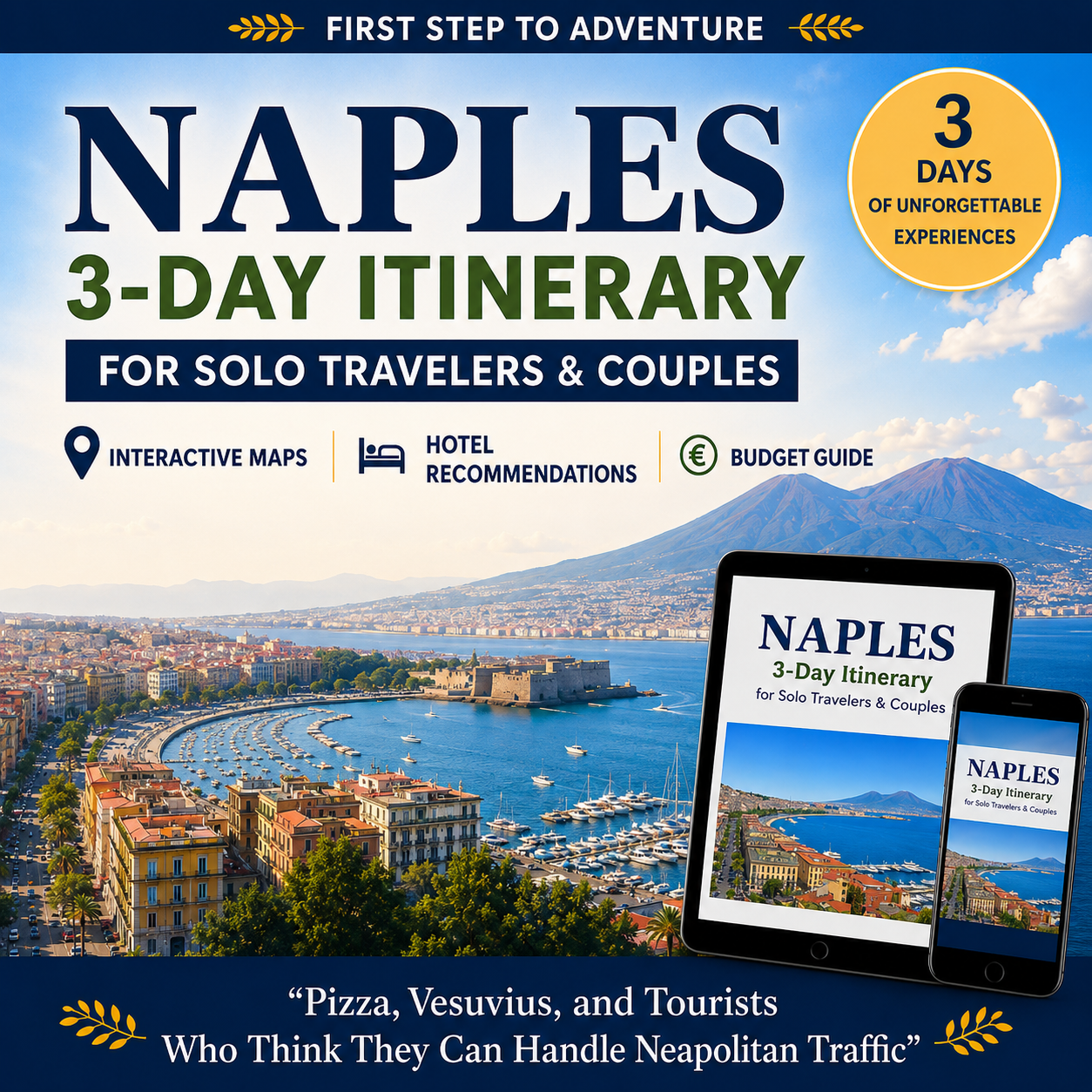
The First Step to Adventure Naples guide is built for exactly that: a step-by-step plan for three days in the city, covering Naples Underground, the chapels, the waterfront, and the pizza worth crossing an ocean for, with a full budget breakdown so the trip stays on track. Get the Naples 3-Day Itinerary Guide here.
Get the guide: Instant PDF download, $9.
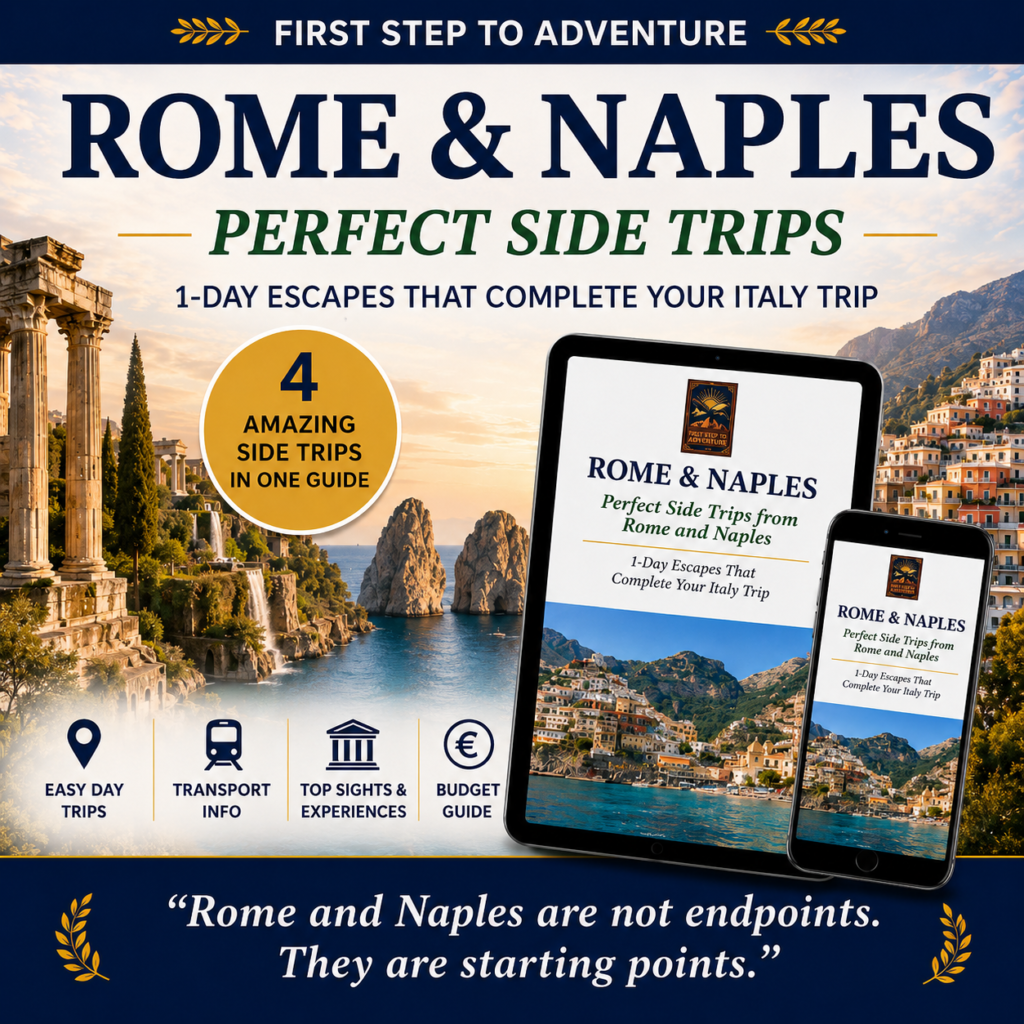
Pairing Naples with Rome, or weighing up the day trips nearby? There is a free guide covering the four best day trips to build around Rome and Naples, no charge and no catch. Grab the free Rome and Naples day-trips guide here.
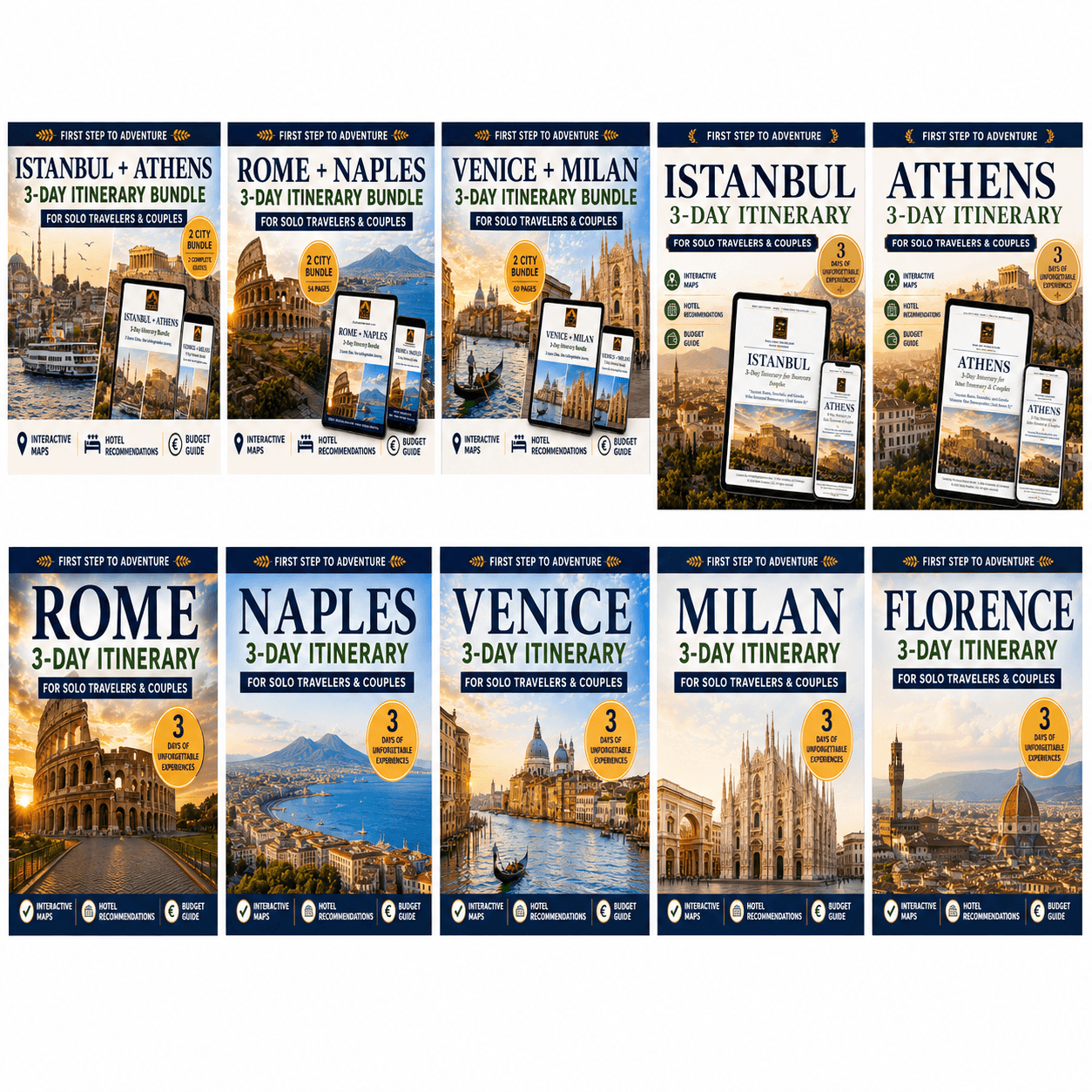
Every 3-day guide:
Rome · Florence · Venice · Milan · Athens · Istanbul
Traveling two cities? The Rome + Naples, Venice + Milan, and Athens + Istanbul bundles are there too.
Join the Adventure
No spam. Unsubscribe any time. One email at a time.